DERMS: The Heart of Decentralized Energy Management
Distributed Energy Resource Management Systems (DERMS) serve as the central nervous system for modern rural energy networks. By enabling utilities to monitor, control, and optimize distributed energy resources—such as solar, distributed generators, flexible demand, wind, microgrids, and storage— DERMS facilitates:
- Real-time energy balancing;
- Localized generation and consumption coordination;
- Seamless renewable integration; and
- Scalable microgrid management without reliance on central infrastructure.
With DERMS, rural communities can move beyond dependency on fragile grid extensions toward resilient, self-sustaining energy ecosystems.
Grid Edge Intelligence: Local Control with Global Impact
Grid edge intelligence places smart decision-making at the edge of the network, where power is generated and consumed. Smart meters, inverters, intelligent controllers, and local data analytics enable benefits such as autonomous DER operation, voltage and frequency regulation of microgrids, and rapid adaptation to load changes and faults.
For rural electrification, this means grids that can operate reliably, even with minimal central oversight, which improves service quality and operational efficiency.
Next Gen AMI: The Smart Grid’s Data Backbone
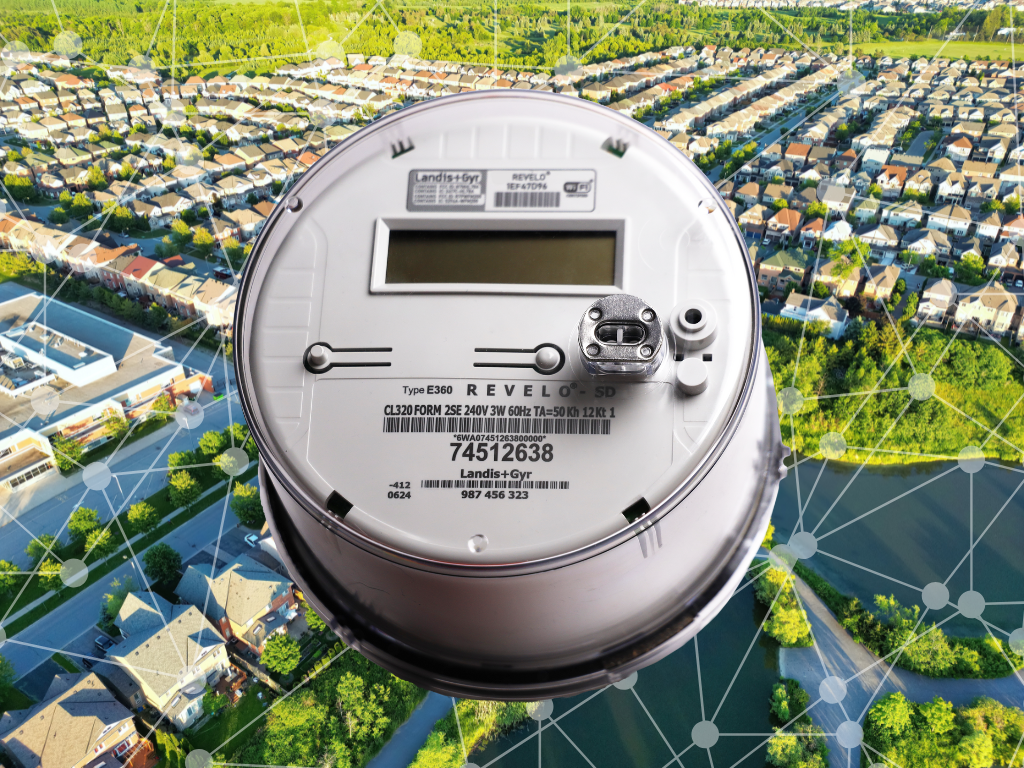
Modern Advanced Metering Infrastructure (also commonly referred to as AMI 2.0) delivers more than billing data; it provides two-way, high-frequency communication with edge devices, real-time operational visibility, and edge-based analytics integrated with DERMS platforms.
With a more intelligent, connected grid edge, utilities can manage distributed resources, optimize load control, and engage customers in new ways, laying the foundation for data-driven rural grid management.
Use Case Spotlight: Smarter Irrigation Pump Control with Landis+Gyr in the Midwest U.S.
In the agricultural heartland of the Midwest United States, irrigation pumps represent a critical yet challenging load for rural electric cooperatives. The high energy usage and long duration of operation often lead to sharp spikes in peak demand, along with voltage fluctuations on rural feeders. It stands to reason that coordination of pump operation through demand response programs can provide critical cost savings and power quality benefits.
The Future: Technology-Driven, Community-Centric Electrification
The convergence of DERMS, Grid Edge Intelligence, and Next Gen AMI unlocks a new era of rural electrification characterized by:
- Lower infrastructure and operational costs;
- Higher system resilience with decentralized assets;
- Seamless renewable energy integration; and
- Data-driven management and customer engagement.
This model transcends traditional grid extension—empowering rural communities with sustainable, reliable, and cost-effective energy solutions.
Bridging the rural electrification gap requires more than wires and substations, it demands intelligent systems that empower both utilities and communities. With proven platforms like Landis+Gyr’s Gridstream® Connect, advanced DERMS, and cutting-edge grid edge solutions, rural regions are no longer on the sidelines of the energy revolution. They are becoming active participants in a smarter, cleaner, and more resilient energy future.
This is not just a technological shift, it’s a transformation of opportunity and empowerment for millions.