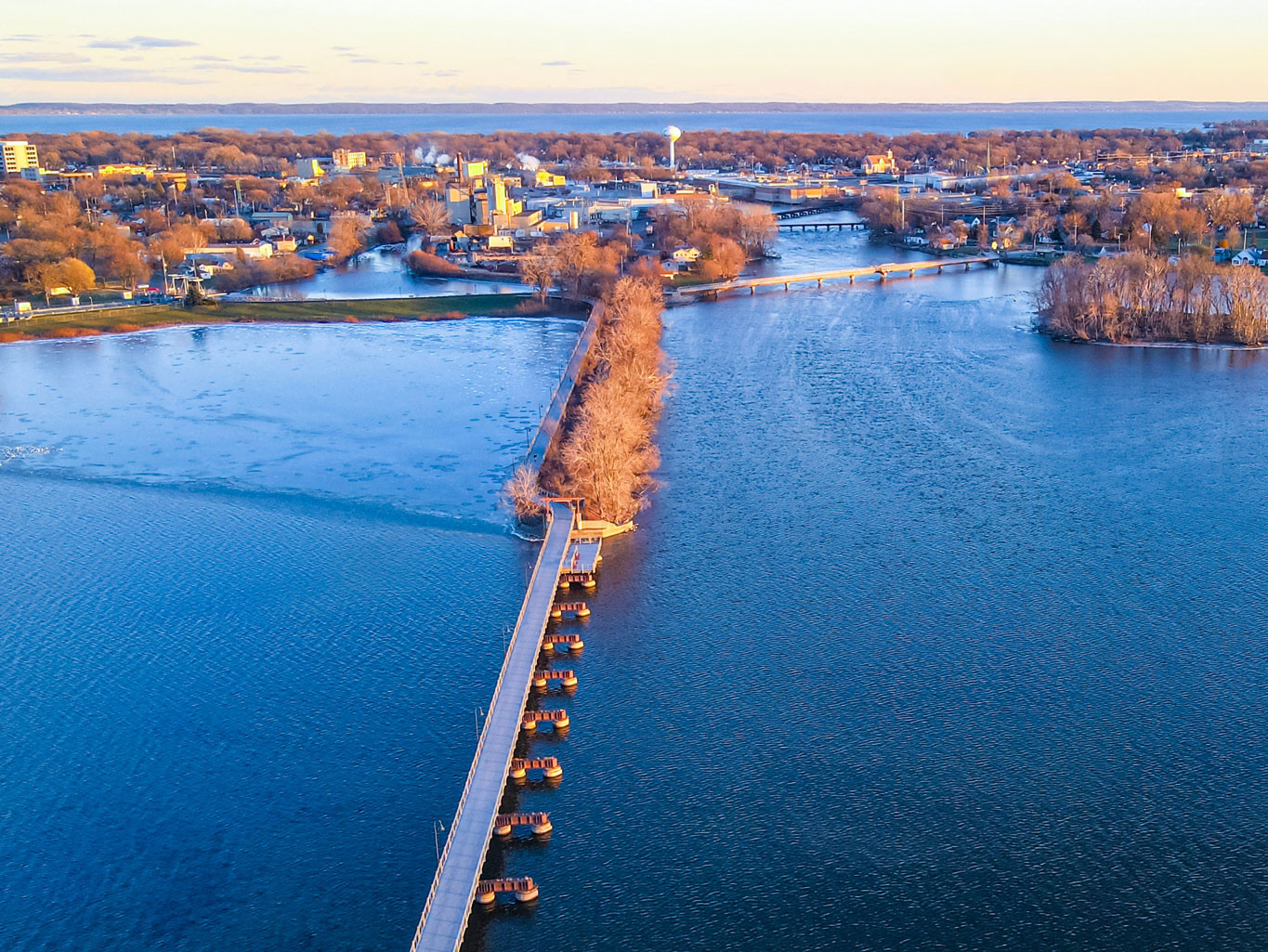
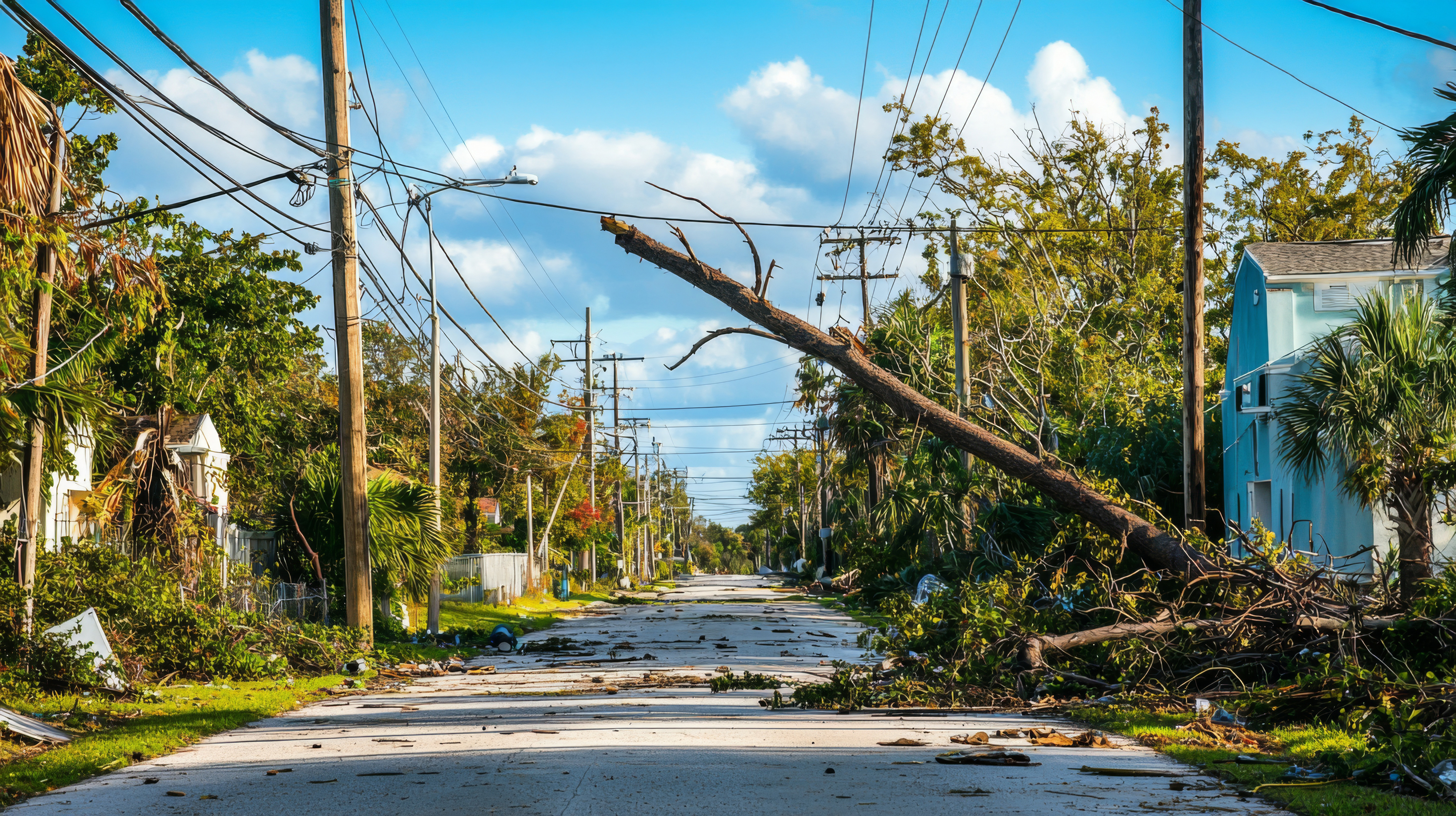
The microgrid at Ocracoke Island in North Carolina is a prime example of the countrywide initiative to ensure power access to customers when the main grid falters due to natural disasters. One of three microgrids operated by North Carolina Electric Cooperatives, the facility at Ocracoke Island opened in 2017. Its location in North Carolina's Outer Banks allows strategic use during intense weather and peak demand times.
While the island’s microgrid operates as a component of the larger electric grid, it can also work independently. Learning is a large part of microgrid projects, in exploring their future uses, reducing power supply costs, and experimenting with alternative power generation and storage.
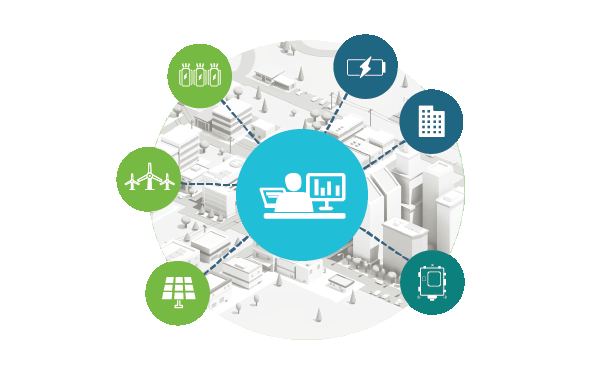
“Through the use of renewables to generate and store electricity, combined with smart control technology and sensors, microgrids are an increasingly important component in the mission to provide reliable and affordable electricity,” said Steve Kenny, solution director at Landis+Gyr.
However, across the country, California IOUs are cutting back on their microgrid plans that were part of the 2020 preventive measures to reduce wildfire risks. Citing high costs and deployment reasons, these Golden State utilities were not able to implement vast measures on such a tight timeframe, including Southern California Edison, and instead opted for short term measures like covering conductors until the operational complexities can be sorted. (Utility Dive 2020)
Still on the West Coast, the City of Beaverton and Portland General Electric announced a joint microgrid in late 2019 that will seek to continue emergency operations during any power interruptions from their main grid. Located in their new seismically-stable public safety building-- the combined effort also sought to meet PGE’s Green Future Impact, a directive to use 100 percent wind or solar power for large commercial, municipal, and industrial clients.
Solar panels are expected to provide energy for 40 percent of the public safety building during the year and store excess energy for emergencies. Using the microgrid beyond emergency situations is vital. It helps maintain the assets in working order, and in instances of fossil fuel-fired generators, ensure that fuel is fresh and that the microgrid is reliable.